
Leave Your Message
-
Contact Phone
-
 Contact Email
In the fast-changing world of healthcare, finding reliable and safe disposable exam gloves is more important than ever. With everyone paying more attention to hygiene and safety, the demand for these gloves has really picked up. Thankfully, manufacturers in China have stepped up to the plate, offering high-quality, budget-friendly options designed specifically for medical use.
You'll find quite a few brands in China that specialize in disposable exam gloves—names like DLG, YTY Group, and Daxwell come to mind. They’ve got a variety of products that meet international standards, which is a big deal for healthcare providers wanting to keep patients safe. That said, not all gloves on the market are created equal. Some brands might cut corners to save costs, which can be pretty risky.
So, it’s really important for healthcare workers to be careful with their choices. Checking out things like certifications, the materials used, and reading reviews can give you a better sense of which gloves are trustworthy. Picking the right disposable exam gloves can seriously make a difference when it comes to patient safety and overall care. Spending a little extra time doing your homework is definitely worth it—after all, using low-quality gloves could have some pretty serious consequences.
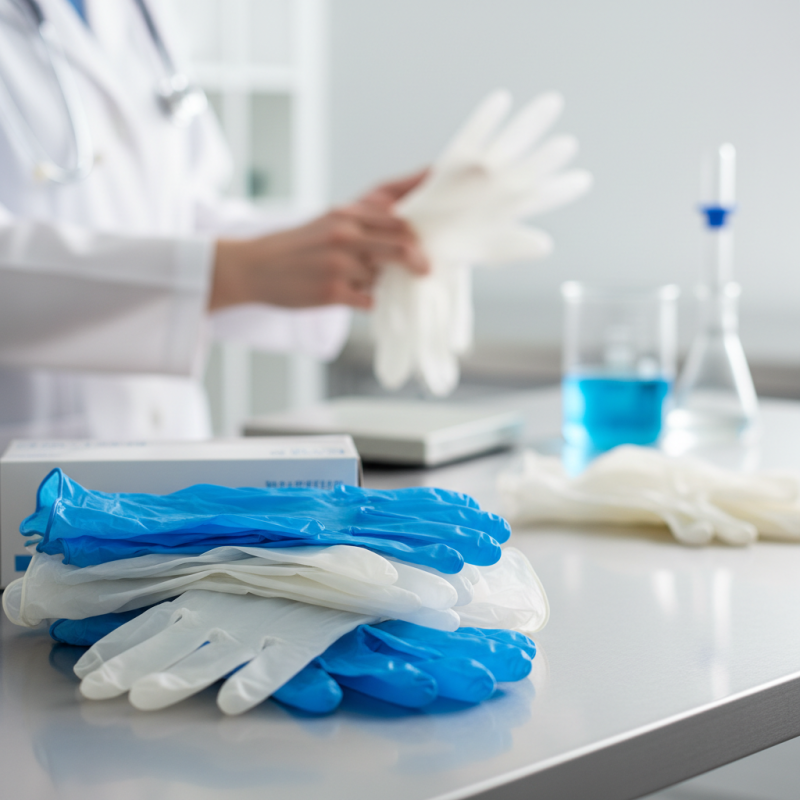
In healthcare settings, the role of disposable exam gloves is vital. These gloves act as a barrier, protecting both medical staff and patients from potential contaminants. According to a report from ResearchAndMarkets, the global disposable glove market is projected to reach $20.5 billion by 2027. This surge highlights the increasing awareness of hygiene and safety in medical environments.
The use of exam gloves significantly reduces the risk of cross-contamination. Studies indicate that proper glove usage can decrease infection rates in hospitals by up to 30%. However, compliance with wearing gloves is often inconsistent. Healthcare workers must remember the importance of changing gloves frequently to maintain their effectiveness. An "Exam Gloves Box" should be readily accessible in every examination room, encouraging proper usage.
Despite their advantages, the environmental impact of disposable gloves is a growing concern. Medical facilities generate massive amounts of waste, with a significant portion being non-biodegradable gloves. Efforts to find sustainable alternatives are underway but remain a challenge. Balancing safety and environmental responsibility requires ongoing reflection in the industry.
Disposable exam gloves are critical in the medical sector. They provide essential protection for healthcare professionals and patients alike. Three main types dominate this market: nitrile, latex, and vinyl.
Nitrile gloves are a popular choice due to their robust resistance to punctures and chemicals. A report from ResearchAndMarkets indicates that the nitrile glove market is projected to reach $10.1 billion by 2027. Their durability makes them suitable for various medical applications. However, they can be more expensive than other options.
Latex gloves, often favored for their comfort and stretch, can pose allergy risks to some individuals. Approximately 1% to 6% of healthcare workers are allergic to latex. This concern has led to a shift toward alternatives. Vinyl gloves serve as a lower-cost substitute but lack the resilience of nitrile and latex gloves. Their effectiveness in high-risk environments is sometimes questioned. Despite this, vinyl gloves are still widely used for non-invasive procedures.
In choosing the right glove type, it's essential to weigh safety against comfort. Market trends show a growing preference for nitrile due to its superior protection. Yet, personal preferences and specific usage scenarios still play a significant role in decision-making.
The market for OEM disposable exam gloves is experiencing significant growth in China. Factors such as the increased demand for healthcare products during health crises have driven this trend. Factories are ramping up production to meet the rising standards in medical safety. Disposable exam gloves are now essential in the medical field. Their role in preventing cross-contamination cannot be overstated.
A rise in health awareness among the population is also contributing to the boom. More people understand the importance of using protective gear. As a result, the market has seen numerous manufacturers emerging. Many offer cost-effective options, including Exam Gloves Vinyl. However, quality assurance remains a concern. Not all products are created equal, leading to potential reliability issues.
The increasing competition in the OEM market means that consumers often face a paradox. They have access to various choices, but distinguishing between high-quality and subpar products can be challenging. Manufacturers need to continuously innovate and adhere to stricter quality controls. Without such measures, the integrity of the market may suffer. Addressing these challenges is essential for sustaining future growth in the OEM disposable exam gloves sector.
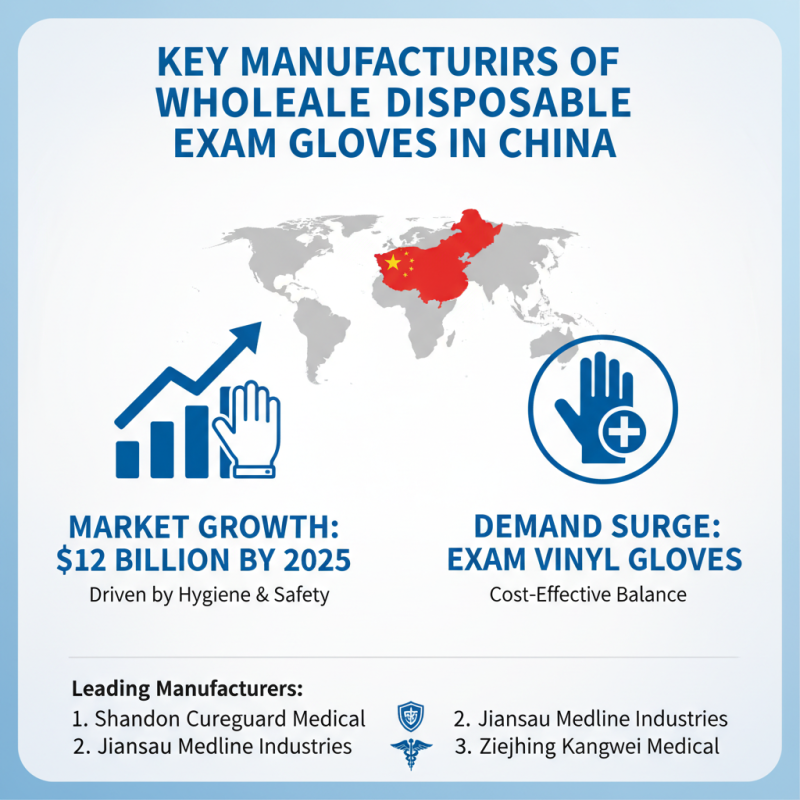
The disposable exam gloves market in China has seen impressive growth. Reports indicate that the overall demand for medical-grade gloves is projected to reach $12 billion by 2025. This increase is driven by the rising emphasis on hygiene and safety in medical environments. Notably, the demand for Gloves Exam Vinyl has surged, especially due to their balance between cost and effectiveness.
Key manufacturers play a crucial role in meeting this growing need. Many of them are located in regions like Guangdong and Jiangsu. These areas are not only known for their robust supply chains but also for their innovative manufacturing practices. Data shows that companies with a focus on automation and quality control tend to produce more reliable products. However, some manufacturers still face challenges in maintaining consistent quality, leading to market fluctuations.
In recent years, regulatory standards have tightened. Compliance with international safety standards, such as ASTM and ISO, has become essential. Companies must invest in quality assurance processes to remain competitive. Improvements in production methods and raw material sourcing are necessary to address current inefficiencies. The industry is evolving, yet there is room for continuous enhancement in manufacturing practices.
When selecting disposable exam gloves for medical use, quality standards and certifications play a crucial role. In China, manufacturers often adhere to international standards like ISO 13485 and ASTM D6319. These guidelines ensure that gloves are safe and effective for medical procedures. Proper testing for defects and contamination is essential. It guarantees that gloves offer the necessary protection for healthcare professionals and patients alike.
Tips: Always check for certifications before purchase. Look for gloves with clear labeling about their compliance. This ensures that the products meet industry standards.
Another vital consideration is the material. Medical gloves are typically made from latex, nitrile, or vinyl. Each material has its advantages. Nitrile gloves, for instance, provide superior puncture resistance. However, they can be less elastic than latex. It’s important to balance comfort with protection based on your specific needs.
Tips: Test the gloves for fit and feel. Comfortable gloves improve dexterity and reduce fatigue during use. Monitor the performance regularly to ensure they meet expectations.
| Glove Type | Material | Thickness (mm) | Length (mm) | Textured Surface | Certifications |
|---|---|---|---|---|---|
| Nitrile | Nitrile Rubber | 0.10 | 240 | Yes | ISO 13485, CE |
| Latex | Natural Rubber Latex | 0.08 | 240 | Yes | ISO 9001, CE |
| Vinyl | Polyvinyl Chloride (PVC) | 0.06 | 240 | No | FDA, CE |
| Nitrile | Nitrile Rubber | 0.12 | 300 | Yes | ISO 13485, CE, FDA |
| Latex | Natural Rubber Latex | 0.10 | 300 | Yes | CE, ISO 9001 |
| Vinyl | Polyvinyl Chloride (PVC) | 0.05 | 300 | No | FDA, CE |
The disposable exam glove market in China is experiencing notable pricing trends. Many factors influence costs, including raw materials and manufacturing processes. These gloves must meet strict medical standards, which can affect pricing. Recent data shows that synthetic options are increasing in demand due to their durability and comfort.
Many companies are grappling with fluctuating prices in the industry. The pandemic disrupted supply chains, leading to temporary spikes in glove costs. Despite that, as production stabilizes, prices may gradually decrease. However, it is still uncertain how long this recovery will take. Buyers should be cautious and monitor pricing changes closely.
Quality does come at a cost. While lower-priced options are available, they may not always meet necessary safety standards. It makes sense for medical facilities to prioritize reliability over savings. It is a balance between budget and quality that needs careful consideration. Transparency in brand quality and price will aid in informed decisions.
The disposable exam glove market is evolving rapidly. Innovations are shifting focus towards new materials and sustainability. One notable trend is the increase in the use of Vinyl Exam Gloves . Data shows that vinyl gloves now account for approximately 30% of the global glove market. Their affordability and versatility make them attractive for medical use.
However, there are challenges. Vinyl gloves may offer less durability compared to nitrile options. Research indicates that while they are suitable for low-risk medical tasks, their barrier protection is not as robust. This raises concerns about their longevity and effectiveness in critical environments. Industry experts recommend focusing on improving the formulation of vinyl to enhance its protective qualities.
Furthermore, biocompatible materials are gaining traction. These innovations aim to reduce allergies and increase user comfort. A recent report highlighted that companies investing in research and development for sustainable glove materials are more likely to succeed in the coming years. Engaging with these advancements is crucial for maintaining safety standards in medical facilities.
When it comes to selecting disposable nitrile gloves for medical examinations, understanding the key benefits of these gloves is crucial. One significant advantage is their hypoallergenic nature. For individuals who are allergic to natural rubber latex, nitrile gloves serve as a safe alternative. They are completely free from latex proteins, ensuring that users do not experience Type I Immediate Hypersensitivity reactions. This feature makes them an excellent choice for healthcare professionals who frequently come into contact with various patients and need to ensure their safety as well as that of their patients.
In addition to being hypoallergenic, nitrile gloves are designed to provide enhanced grip and protection. The finger-textured surface ensures a reliable grip whether the gloves are dry or wet, making them ideal for diverse medical scenarios where precision is necessary. Moreover, these gloves offer strong barrier protection against chemicals and potentially hazardous substances, which is essential in medical examination settings. Their robustness and adaptability not only enhance safety but also contribute to a smooth and effective healthcare experience. As the demand for reliable disposable gloves continues to grow, nitrile gloves remain an optimal choice for any medical setting.
: They protect medical staff and patients from contaminants. Gloves reduce infection rates, improving overall hygiene.
Proper glove use can decrease infection rates by up to 30%. Consistent glove changing is crucial for effectiveness.
They contribute to significant waste, often non-biodegradable. Finding sustainable alternatives is a current challenge.
Look for certifications like ISO 13485 and ASTM D6319. These indicate safety and effectiveness for medical procedures.
Latex, nitrile, and vinyl are standard. Each has advantages, such as nitrile's puncture resistance but less elasticity.
Test gloves for fit and feel before use. Comfortable gloves enhance dexterity and reduce fatigue during procedures.
Gloves should be changed frequently to maintain their barrier function. This habit prevents cross-contamination effectively.
Regularly check for performance issues and compliance with safety standards. Constant evaluation helps ensure ongoing protection.
Yes, the industry faces dilemmas regarding waste and safety measures. Ongoing reflection is necessary for better solutions.
Make gloves easily accessible in all examination rooms. This encourages proper usage and promotes hygiene practices.
Disposable Exam Gloves play a crucial role in healthcare settings, providing essential protection for both medical professionals and patients. This article explores the various types of disposable exam gloves, including nitrile, latex, and vinyl, highlighting their specific uses and benefits. The market for OEM disposable exam gloves in China is experiencing significant growth, driven by increasing demand and innovation in glove materials.
Furthermore, it discusses key manufacturers in the industry, the importance of adhering to quality standards and certifications, and pricing trends affecting wholesale medical gloves. As healthcare continues to evolve, the future outlook reveals exciting advancements in disposable exam glove materials, ensuring enhanced safety and effectiveness in medical practices. Overall, understanding the dynamics of the disposable exam glove market is vital for stakeholders in the healthcare sector.