
Leave Your Message
-
Contact Phone
-
 Contact Email
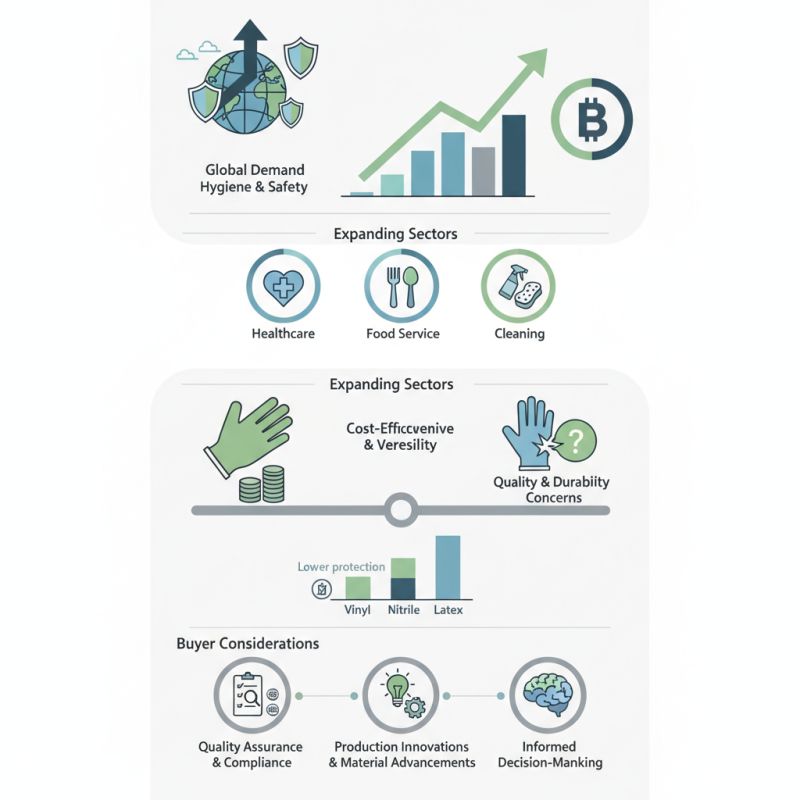
Hey, have you noticed how demand for vinyl gloves is really taking off worldwide? It's mostly because people are becoming way more conscious about hygiene and safety these days. If you look at the latest report from Grand View Research, the market for these gloves is expected to hit around USD 4.6 billion by 2026, growing steadily at about 5.5% annually. And it’s not just because of COVID-19 — it’s part of a bigger shift towards personal protection that's happening across lots of industries.
As sectors like healthcare, food service, and cleaning keep growing, the need for dependable protective gear becomes more important than ever. Vinyl gloves, being affordable and pretty versatile, are definitely a big part of that picture. But yeah, there are some worries about their quality and how long they last. A few folks have mentioned that vinyl gloves might not offer the same level of protection as nitrile or latex ones. So, while they’re super useful and budget-friendly, it’s all about finding that sweet spot between cost and performance.
For buyers around the world, it’s really wise to think carefully when sourcing vinyl gloves. Checking out different suppliers for quality assurance and making sure they meet standards like ASTM and ISO can save a lot of headaches. As the market keeps changing, staying up-to-date on new production methods and material innovations will help everyone make smarter choices in the end.
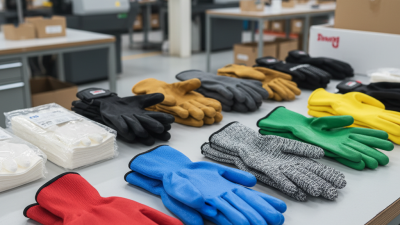
In 2026, significant advancements in vinyl glove manufacturing are set to impact the global market. According to recent industry reports, the vinyl glove market is expected to grow by 5.3% annually, driven by innovations in production techniques. These innovations lead to enhanced durability and comfort. New formulations for vinyl materials are emerging, offering better flexibility without compromising strength.
Automation in manufacturing processes plays a crucial role. Automation reduces labor costs and increases production rates. With automated lines, companies can produce millions of gloves each day, ensuring a steady supply. However, reliance on automation raises concerns about job losses in traditional manufacturing roles. Balancing efficiency and workforce sustainability poses a challenge.
Sustainability is another key focus. Many manufacturers are exploring bio-based materials. These materials can reduce environmental impact while maintaining performance. A report reveals that 70% of buyers prioritize eco-friendly products. Yet, questions arise about the scalability of such alternatives. How can the industry meet rising demand without sacrificing sustainability? The path ahead is complex, and careful consideration is needed.
In recent years, environmental sustainability has become crucial in the vinyl glove industry. Buyers are increasingly interested in eco-friendly practices during production. Manufacturers are revisiting their material sourcing and waste management methods. They are adopting techniques that minimize carbon footprints and reduce plastic waste.
Vinyl Blue Gloves, popular for their durability, also have a role in sustainable practices. Some factories are now using recycled materials in production. This process raises questions about quality control and the lifespan of recycled goods. Efforts are underway to ensure that sustainability does not compromise effectiveness. Awareness of these practices is growing among consumers, and it can influence buying decisions.
Water usage in production remains a challenge. Efficient processes are necessary to minimize water consumption. Manufacturers must find a balance between quality and sustainability. With rising concerns about the environment, the focus on greener solutions is more important than ever. Companies that prioritize eco-friendly practices may capture the interest of informed buyers in the coming years.
| Trend | Description | Sustainability Practice | Expected Impact |
|---|---|---|---|
| Biodegradable Vinyl | Vinyl gloves that break down naturally over time without releasing harmful substances. | Use of biodegradable materials in manufacturing processes. | Reduction of long-term environmental pollution. |
| Recycled Content | Incorporating recycled plastic materials into the glove production. | Utilization of post-consumer recycled content. | Decreased demand for virgin plastic and resource conservation. |
| Water-Based Adhesives | Using water-based instead of solvent-based adhesives in glove production. | Reduction of harmful chemical emissions during manufacturing. | Improved air quality and safer working conditions. |
| Energy-Efficient Processes | Implementing processes that consume less energy during production. | Adopting renewable energy sources. | Lower carbon footprint associated with production. |
| Eco-Friendly Packaging | Usage of recyclable or compostable materials for packaging gloves. | Minimizing plastic waste in packaging. | Encourages proper disposal and reduces landfill impact. |
Emerging market demands are reshaping the vinyl glove industry. As awareness of hygiene increases, many consumers prefer vinyl gloves for safety and convenience. This trend is evident in sectors like food service and healthcare, where cleanliness is paramount. Consumers are looking for durable options that offer comfort without compromising on protection.
The growing preference for Exam Gloves Vinyl reflects a shift towards sustainability. Many buyers now seek environmentally friendly production processes. They want products made from recyclable materials, promoting a greener industry. However, some manufacturers struggle to meet these demands. The transition to sustainable practices requires investment and innovation, which not all companies can afford.
Consumer preferences also highlight the desire for variety. Color and texture play significant roles in purchasing decisions. While traditional clear gloves remain popular, there is a call for colored options. These can enhance visibility and reduce cross-contamination risks. Nonetheless, there are challenges. The perception of color and aesthetics can vary across cultures. Understanding these nuances is crucial for global buyers navigating the market.
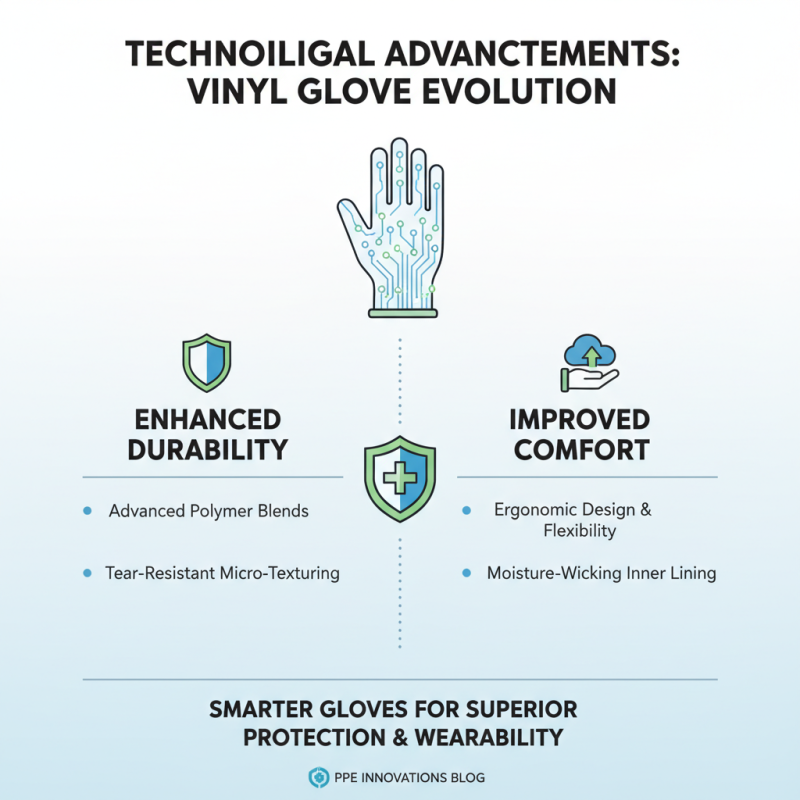
Innovations in vinyl glove manufacturing are shaping the future of personal protective equipment. Recent technological advancements focus on enhancing durability and comfort. These improvements make vinyl gloves not only more resilient but also more user-friendly.
New materials and production techniques have led to longer-lasting gloves. Some gloves now feature reinforced seams and advanced polymers. These additions reduce the risk of tearing during intensive tasks. The comfort factor is equally paramount, with softer materials that allow more flexibility. Users report feeling less fatigue during extended wear.
Despite these advancements, there are still challenges to address. Not all gloves measure up to the same standards of protection. Some users still experience discomfort after long periods. Continuous feedback from users will guide further improvements. Balancing durability with comfort remains an ongoing journey for manufacturers in this field.
Regulatory standards significantly influence the usage of vinyl gloves globally. Many countries strictly enforce guidelines to ensure safety and reliability. This makes understanding these regulations crucial for buyers. Failing to keep up can lead to risks. Quality control is vital, and standards are not uniform. Some regions require certain certifications for vinyl gloves, affecting market access. Buyers must navigate these complexities carefully.
Awareness of local regulations is essential. For instance, various industries have different requirements for Gloves Exam Vinyl. The healthcare sector often mandates specific testing and certification. Non-compliance can result in penalties or barred entry to crucial markets. Additionally, consumers increasingly demand transparency regarding materials and production methods. As buyers, it's important to prioritize suppliers who adhere to these standards.
The shifting regulatory landscape reflects an evolving understanding of safety. Some manufacturers may struggle to keep pace with demands for improvement. This uncertainty can hinder the industry's overall progress. Buyers should seek partners committed to ongoing compliance and innovation. Balancing these needs with market demands will shape the future of vinyl glove use. Remaining informed and adaptable is key in this volatile environment.
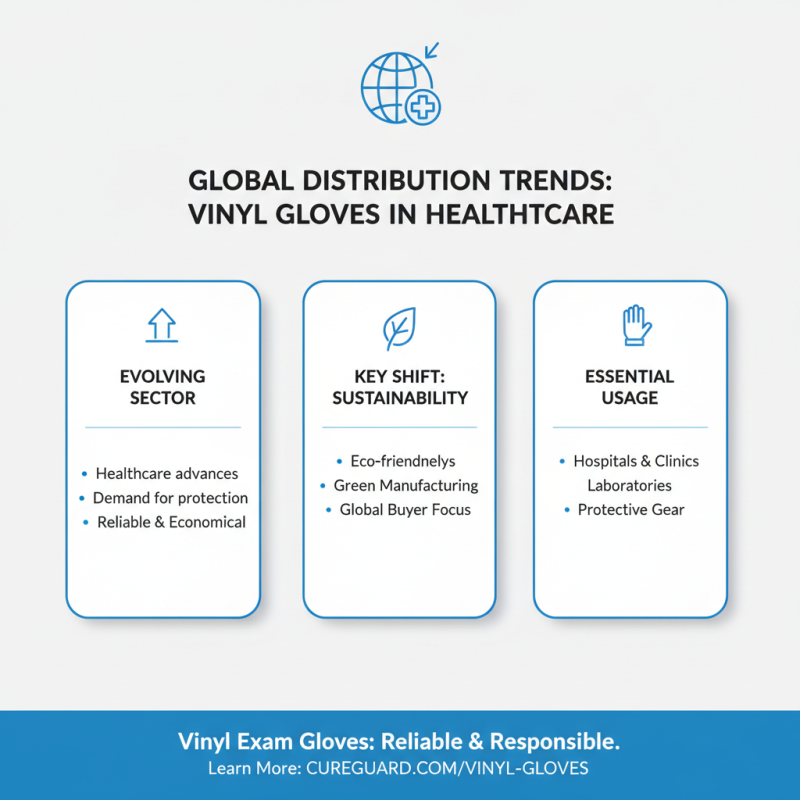
As the healthcare sector evolves, so do the distribution trends for vinyl gloves. Global buyers are noticing a significant shift toward sustainable practices in glove manufacturing. This reflects a broader commitment to eco-friendliness in healthcare. Vinyl Exam Gloves are becoming essential in hospitals, clinics, and laboratories. Their usage is primarily driven by the need for protective gear that is both reliable and economical.
However, a noteworthy concern is the quality variation among suppliers. Many healthcare facilities face challenges in sourcing vinyl exam gloves that meet stringent safety standards. This inconsistency can impact patient care and staff safety. Buyers need to thoroughly assess suppliers, focusing on their compliance with regulations. Trends show an increasing reliance on certifications to ensure product quality.
Additionally, geographical distribution plays a crucial role in the availability of vinyl gloves. Certain regions experience shortages due to higher demand. Understanding local market conditions can help in making informed purchasing decisions. Even with advancements, the industry faces obstacles in maintaining a consistent supply chain. Addressing these challenges is essential for ensuring that healthcare professionals continue to have access to high-quality protective gear.
As the global market for vinyl gloves transitions into 2026, manufacturers face a dynamic landscape filled with challenges and opportunities. According to a recent industry report by Research and Markets, the vinyl glove market is projected to grow at a CAGR of 4.5% from 2021 to 2026. This growth raises questions about production processes and raw material sourcing. Manufacturers must adapt to fluctuating demand while maintaining quality.
Competition is intensifying. While there is an increase in demand for disposable gloves, sustainability concerns loom large. Consumers are increasingly critical of plastic waste. This offers a chance for manufacturers to innovate. Utilizing bio-based materials or improving recycling programs can be considered. However, investing in such changes requires capital and time, which might strain smaller players.
The regulatory environment is also evolving. Stricter regulations in various regions will challenge manufacturers to comply effectively. It is vital to prioritize quality and safety standards during production. According to Recent Global Standards Review, nearly 30% of manufacturers failed compliance audits last year. This indicates a significant need for improving operational practices. While some companies excel, others need to critically assess their quality control measures. They must adapt or risk losing market share.
In the fast-paced electronics sector, the need for cleanliness and precision is paramount. Disposable vinyl gloves have become an essential tool for professionals working in this industry, as they provide a protective barrier that is specifically designed to address the unique challenges faced during electronics manufacturing. With the increasing focus on static control and contamination prevention, these gloves have been engineered to meet the specialized requirements of the field.
One of the key features of these vinyl gloves is their antistatic properties. This characteristic is crucial as it helps to prevent the buildup of static electricity that could damage sensitive electronic components. Additionally, these gloves are designed to minimize particle release, ensuring that no contaminants interfere with the delicate manufacturing processes. Enhanced tactile responsiveness further allows workers to handle components with precision, ensuring that each task can be performed with the utmost accuracy and care.
By utilizing disposable vinyl gloves, professionals in electronics and industrial applications can maintain a clean working environment while safeguarding sensitive equipment. Their combination of functionality and protection makes them an indispensable choice for those dedicated to delivering high-quality results in a demanding industry.
: Sustainability in vinyl glove production involves eco-friendly practices like material sourcing and waste management.
Manufacturers are adopting techniques to minimize carbon footprints and reduce plastic waste during production.
Water consumption in production remains a challenge, and efficient processes are crucial to minimize it.
Using recycled materials raises concerns about quality control and the lifespan of the gloves produced.
Some users report discomfort after extended wear, indicating a need for continuous improvements in comfort.
There is a shift towards sustainable practices, reflecting a commitment to eco-friendliness in healthcare.
Variations in glove quality can affect patient care and staff safety, leading to challenges in sourcing.
Continuous feedback helps manufacturers address challenges and improve the balance between durability and comfort.
Certifications are increasingly relied upon to ensure that products meet safety and quality standards.
Some regions face shortages due to high demand, making it vital to understand local market conditions.
The article "2026 Top Vinyl Glove Trends for Global Buyers to Consider" highlights significant advancements and trends shaping the vinyl glove industry. Key innovations in manufacturing techniques are set to enhance product quality and efficiency, while environmental sustainability practices are gaining prominence in production processes. As consumer preferences evolve, manufacturers must adapt to emerging market demands that prioritize both durability and comfort.
Moreover, regulatory standards are influencing the global usage of vinyl gloves, necessitating compliance for market penetration. The distribution trends, particularly in the healthcare sector, showcase a shift towards efficient logistics to meet rising demands. However, challenges such as competition and supply chain dynamics present opportunities for manufacturers to innovate and thrive in 2026. Overall, the vinyl glove market is poised for transformation, emphasizing technological advancements and sustainability as pivotal elements for future success.