
Leave Your Message
-
Contact Phone
-
 Contact Email
In the fast-paced world of labs these days, the need for really good Laboratory Gloves is at an all-time high. If you’ve looked into it recently, you’ll see that according to some recent reports by Research and Markets, the global market for these gloves could hit around $5.7 billion by 2025 — and that’s mainly because safety rules are getting stricter, and everyone’s more aware of hygiene. Experts keep emphasizing how crucial it is to pick the right kind of gloves for different tasks. Dr. Emily Carter, an industry veteran with over 15 years under her belt, says, “The success of lab work really depends on the quality of your protective gear, especially the gloves.”
Buying wholesale OEM Laboratory Gloves can bring a ton of benefits—whether you’re working on research, testing, or anything in between. They’re made to suit specific needs and provide solid protection without feeling awkward or uncomfortable. Still, even though a lot of labs get why these gloves matter, some overlook how cost-effective it can be to buy in bulk. With so many materials and styles out there, choosing the right gloves can feel pretty overwhelming. The truth is, many labs struggle to find a balance between good quality and affordability, which shows there’s room to do better when it comes to purchasing. Overall, investing in the right gloves doesn’t just protect the people working in the lab; it also helps improve the quality of the research—and nobody wants to cut corners on safety or results.

Purchasing wholesale OEM laboratory gloves can provide significant cost savings for businesses. When buying in bulk, companies often negotiate better rates, reducing per-unit costs. This is crucial for laboratories that require a steady supply of gloves for daily operations.
Cost efficiency is vital for maintaining a budget. Many small labs struggle with tight finances. By opting for wholesale options, they can allocate more resources toward essential equipment. This shift can improve lab operations and enhance overall productivity.
Additionally, wholesale purchasing reduces the frequency of orders. Less frequent orders mean lower shipping costs and less time spent on procurement. However, it's essential to evaluate the quality of gloves. In some cases, cheap options may compromise safety. Observing this balance between cost and quality is crucial for long-term success.
Customization plays a crucial role in meeting the diverse needs of laboratory environments. Standard gloves may not offer the protection required for specific applications. Customizing gloves ensures compliance with safety standards and enhances functionality. According to a report by Smithers Pira, the demand for tailored laboratory gloves is projected to grow by 8% annually through 2025. This highlights the importance of customization for various laboratory needs.
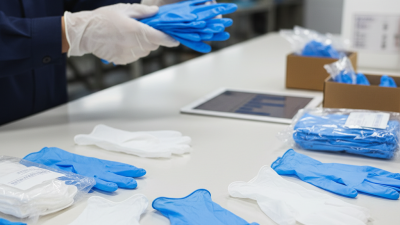
Different laboratory tasks necessitate different glove materials. For example, Nitrile gloves provide excellent chemical resistance. This type of gloves is favored in biomedical labs due to its durability. Customization allows laboratories to select the thickness, size, and texture that best fits their specific tasks. Labs that invest in tailored solutions often report fewer incidents related to contamination.
Moreover, some laboratories require gloves that are compatible with special equipment. A well-fitted glove enhances dexterity, reducing the likelihood of accidents. Many labs are still using generic solutions without considering specific needs. This oversight can result in increased exposure risks, affecting lab safety and productivity. Reinforcing the focus on customization leads to improved overall performance in laboratory settings.
Laboratory gloves are essential in various applications, particularly in medical and research settings. OEM laboratory gloves stand out due to their durability and protection features. They are designed to withstand tears and punctures, which is critical in maintaining safety standards. The materials used ensure that the gloves are resilient even under extreme conditions.
With Medicine Gloves, practitioners can handle a wide range of substances without compromising safety. Their fit and flexibility allow for excellent dexterity, enabling precise movements. Despite these advantages, some users find that not all gloves provide the same comfort level. It is vital for laboratories to assess which type meets their specific needs best.
Moreover, the protective qualities of OEM gloves are essential for preventing contamination. They create a barrier against harmful agents, reducing the risk of exposure. However, it’s important to recognize that over-reliance on any glove type may lead to complacency. Regular training and reviews of safety protocols can help maintain high protection standards.
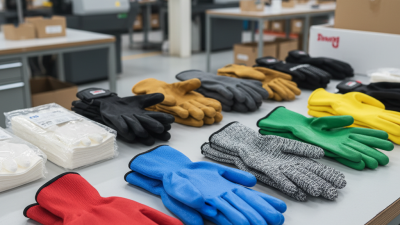
Laboratory gloves play a vital role in various applications. The materials used in these gloves significantly impact their effectiveness. Common materials include latex, nitrile, and vinyl. Each offers unique properties that suit different tasks. According to a report by Market Research Future, the global laboratory gloves market is projected to reach $4.7 billion by 2025. This growth reflects the increasing demand for reliable protective gear in laboratories.
Nitrile gloves are a popular choice due to their chemical resistance. They offer durability, making them ideal for handling hazardous substances. On the other hand, latex gloves provide excellent tactile sensitivity. However, some users may experience allergic reactions. A study published in the Journal of Occupational Health found that approximately 17% of healthcare workers are allergic to latex.
Vinyl gloves are often used for lower-risk tasks. They are cost-effective but may not provide the same level of protection. A potential drawback is their lack of elasticity, which makes them less form-fitting. This can affect dexterity during intricate procedures. Understanding the specific needs of each laboratory is crucial when selecting the right glove material. Careful consideration of these factors will lead to improved safety and efficiency.
In laboratory environments, compliance with safety regulations is critical.
Pvc Hand Gloves
provide essential protection for lab personnel. These gloves act as a barrier against hazardous materials, chemicals, and biological agents.
They meet the stringent standards set by regulatory bodies. Using gloves that comply with these standards is key to maintaining a
safe workspace.
The importance of selecting appropriate PPE cannot be overstated. Inadequate protection can lead to exposure incidents. Workers need to be
trained on proper glove usage and hygiene. This ensures that the
Pvc hand gloves provide the expected level of safety. Make sure to check for certifications before purchasing.
Not all gloves are created equal, and compliance is paramount.
Laboratories must regularly review their safety protocols. This includes the proper disposal of
Pvc hand gloves after use. Neglecting such protocols can lead to contamination. Encourage an
environment where safety is prioritized. Continuous training and awareness are essential for efficiency. Monitoring adherence to
safety regulations promotes accountability and reduces risks.
Laboratory environments demand high standards of safety and efficiency. Wholesale OEM laboratory gloves provide essential protection for researchers and technicians. They reduce the risk of contamination and exposure to hazardous materials. This protection contributes to a smoother workflow. When staff feel safe, they focus better on experiments and tasks. As a result, productivity increases.
The quality of gloves can impact task performance. Poor-fitting gloves may slow down movements or disrupt concentration. In contrast, high-quality OEM gloves offer a reliable barrier while ensuring dexterity. This balance allows lab personnel to handle delicate instruments and hazardous substances with ease. Any delay caused by discomfort can lead to errors. Researchers must continuously evaluate their gloves to maintain efficiency.
Moreover, the cost-effectiveness of wholesale options is an added benefit. Labs can stock up on necessary supplies without overspending. However, the challenge lies in finding the right match between quality and price. Ensuring that gloves meet specific needs requires careful consideration. Keeping an eye on supplier reliability can enhance overall laboratory performance. With the right gloves, the workflow becomes seamless and effective.
The environmental impact of OEM laboratory gloves is increasingly critical. Many manufacturers are focusing on sustainable materials. This shift can help reduce plastic waste. However, the journey towards sustainability is not without challenges.
Some OEM gloves are now made from biodegradable materials. These materials break down faster than traditional plastics. Yet, not all manufacturers are fully transparent about their sourcing. It requires diligence to find options that are genuinely eco-friendly. An informed choice can lead to more sustainable practices in laboratories.
In addition, the packaging also matters. Opting for bulk quantities reduces packaging waste. Using an Exam Gloves Box can minimize the environmental footprint. However, applications must balance performance and sustainability. The ideal glove should offer both durability and a lower ecological impact. As research advances, the opportunity to enhance sustainability in laboratory settings continues to grow.
The demand for reusable thin vinyl gloves is rapidly growing, as highlighted in the 2023 Global Protective Glove Industry Report. This market shift is primarily driven by the increasing reliance on personal protective equipment in various sectors, including healthcare, food services, and cleaning industries. These gloves are particularly favored for their lightweight design, which provides a barely-there feel that enhances comfort during prolonged use. With a focus on short-duration, high-frequency tasks, these gloves offer both protection and convenience, making them an ideal choice for professionals who require flexibility in their work.
Manufactured with quality craftsmanship, these gloves feature a rolled cuff design that ensures a secure fit, preventing any slipping during use. This design not only enhances functionality but also allows for ease of donning and removal, essential for workers transitioning between tasks quickly. The strategic focus on comfort and safety aligns with recent industry findings, where user comfort is cited as a crucial factor influencing purchasing decisions in the protective glove market.
According to the report, the global protective glove market is expected to reach new heights, with consumer preference leaning towards products that offer both performance and practicality. The incorporation of features like lightweight materials and a secure fit in reusable thin vinyl gloves positions them favorably in a competitive market, solidifying their role in enhancing workplace safety and efficiency. The ongoing innovations and development in glove technology suggest a promising future for these essential protective tools.
: Purchasing wholesale lowers per-unit costs, helping businesses save money. This is essential for budget-conscious labs.
Bulk buying reduces the number of orders needed. This leads to lower shipping costs and saves time on procurement.
Common materials include latex, nitrile, and vinyl. Each has unique properties suitable for specific tasks in labs.
Nitrile gloves are chemically resistant and durable. They are ideal for safely handling hazardous substances.
Latex gloves provide good sensitivity but can cause allergic reactions in about 17% of healthcare workers.
It's important to evaluate the specific needs of the lab. Balancing safety and efficiency is key to choosing the right glove.
Some OEM gloves are made from biodegradable materials. However, not all brands are transparent about their environmental impact.
Buying in bulk reduces packaging waste. This helps minimize the environmental footprint of laboratory operations.
Finding truly eco-friendly gloves can be tough. It requires diligence to ensure manufacturers are sourcing sustainably.
While cost savings are vital, compromising on quality can affect safety. It's crucial to maintain a balance for long-term success.
Wholesale OEM laboratory gloves offer numerous benefits that enhance their usability across various applications. One of the primary advantages is cost efficiency, allowing laboratories to manage their budgets effectively while maintaining high-quality standards. Additionally, these gloves can be customized to meet specific laboratory needs, ensuring compliance with various safety regulations and enhancing protection features.
Moreover, the variety of materials used in manufacturing these gloves caters to different preferences and requirements, contributing to their durability and reliability in demanding environments. The availability of wholesale options positively impacts workflow efficiency and productivity, enabling laboratories to operate seamlessly. Lastly, there is a growing emphasis on environmental considerations, with many OEM laboratory gloves designed to align with sustainability goals, making them a responsible choice for modern laboratories.